Custom packaging protects the product and shapes how customers experience it. A well-planned project balances appearance, fit, protection, budget, manufacturing and transport.
1. Define the brief
Start with product dimensions and weight, the number of items per pack, the production quantity, sales environment, brand positioning, target budget and delivery date. A seasonal gift box and a year-round e-commerce pack will have different priorities.
2. Choose a structure around the product
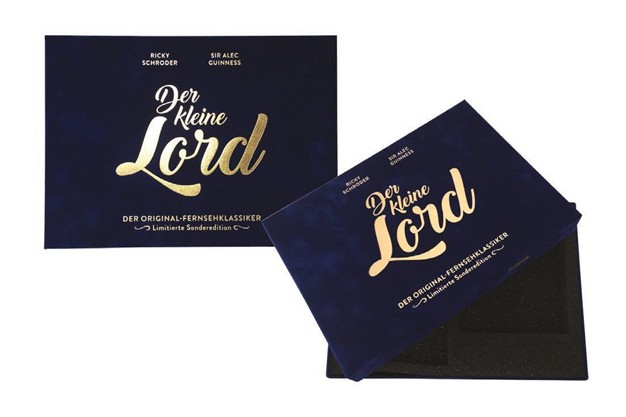
Consider a folding carton, rigid box, drawer box, sleeve, window box or a custom structure. A fitted cardboard or foam insert can help keep the item in place during shipping and improve its presentation when opened.
3. Select materials for the intended use
Solid board, corrugated board, microflute, laminated paper, rigid board and kraft suit different loads and finishes. Consider thickness, weight, strength and how the material feels, especially for a gift or premium box.
4. Design the graphics on the final dieline
Prioritise the logo, product name and main message on the front. Use the other faces for product details, barcodes or required copy. Check bleed, folds, cut lines, print colours and any separate finish layers against the final template.
5. Select printing and finishes
Matte or gloss lamination, foil stamping, embossing, debossing, spot varnish, UV printing and special cuts can support the design. Tooling and extra production steps can affect the budget and the quantities at which a finish makes sense.
6. Make and approve a prototype
Test fit, opening and closing, structural strength, the insert and the readability of the artwork. A physical sample reveals issues a screen may hide. Once the prototype is approved, confirm the artwork on the final proof before production.
7. Plan production and delivery
Confirm how many packs go in a carton, how cartons fit on a pallet and where and when the goods need to arrive. Small dimensional changes can improve carton and pallet efficiency across a large order.
Discuss your project
Use the Novobox contact form to share your product, expected quantity and project brief.